PRO
6 Min. Lesezeit
Wird der Entzündungszustand im Körper genetisch bedingt oder durch Diäten beeinflusst?

1 Foto
404
Audio-Sprecher
AI
0:00
0:00
Artikelinhalt live anhören
Inhaltsverzeichnis 14
PRO-Inhalt
PRO
Dieser Artikel ist ein professioneller Fachartikel (PRO), der vollständig zur Verfügung gestellt wird.
Entzündung ist ein Abwehrmechanismus, der bei vielen Krankheiten wie Fettleibigkeit, Typ-2-Diabetes, Bluthochdruck und Krebs zum Einsatz kommt. Dennoch beeinflusst die Ernährungsweise den Verlauf und die Entwicklung dieses Prozesses sowie vieler Krankheiten. Nährstoffe und bioaktive Verbindungen, die durch die Ernährung bereitgestellt werden, können immunmodulatorische Wirkungen haben und die Intensität oder Linderung des Entzündungsprozesses beeinflussen. Eine Ernährung, die reich an Gemüse, Obst, Gewürzen, Pflanzenfetten und Vollkornprodukten ist, ist mit einem hohen entzündungshemmenden Potenzial verbunden.
01 / 14
Wie kann man einen entzündlichen Zustand beschreiben?
Der entzündliche Zustand ist ein dynamischer und komplexer Prozess, der in lebenden Geweben stattfindet, nachdem ein schädlicher Faktor eingeführt wurde. Er ist daher direkt mit dem Immunsystem des Körpers verbunden. Er umfasst ein ausgedehntes Netz molekularer Reaktionen und zellulärer Aktivität. Das Ziel dieses Prozesses ist die Reparatur beschädigter Zellen oder Gewebe. Der entzündliche Zustand kann eine lokale Reaktion auf Gewebeschäden oder Infektionen sein, kann aber auch den ganzen Körper betreffen. Die Grundsymptome des entzündlichen Zustands sind Rötung, erhöhte Temperatur, Schwellung und Schmerz. Die Phasen des entzündlichen Zustands hängen von seiner Dauer und den immunologischen Faktoren ab, die in diesen Prozess involviert sind. Es gibt zwei Arten von entzündlichen Zuständen - akut und chronisch. Ein unkontrollierter entzündlicher Zustand kann mit der Entwicklung vieler Krankheiten verbunden sein.
02 / 14
Welche Erkrankungen werden mit Entzündungen in Verbindung gebracht?
Die Liste der Krankheiten, die mit Entzündungen in Zusammenhang stehen, ist lang und wächst kontinuierlich. Dazu gehören: Hashimoto-Krankheit, Morbus Basedow, Morbus Crohn, Morbus Addison, Alzheimer-Krankheit, entzündliche Darmerkrankungen, Zöliakie, Gicht, Schuppenflechte, rheumatoide Arthritis, Psoriasis-Arthritis, Anämie, Lupus erythematodes, systemische Sklerose, Sjögren-Syndrom, Enzephalitis, Adipositas, Depression, koronare Herzkrankheit, Bluthochdruck und Arteriitis. Zusammenfassend lässt sich sagen, dass Entzündungen mit vielen Krankheiten in Verbindung gebracht werden, einschließlich Autoimmun-, neurologischen, metabolischen, endokrinen und kardiovaskulären Erkrankungen sowie verschiedenen Krebsarten.
03 / 14
Kann der Entzündungsprozess anhaltend und langwierig sein
Der Entzündungsprozess sollte unter regulären Bedingungen nach der Beseitigung der Infektion oder schädigenden Faktoren enden. Wenn jedoch der Prozess zu intensiv ist und die Mechanismen, die für seine Beendigung verantwortlich sind, ausfallen, wird die Entzündung als chronisch bezeichnet. Unter den Faktoren, die diesen chronischen Zustand charakterisieren, sind eine spezifische Immunantwort, eine längere Dauer der Entzündung und ihre Variabilität. Die Zellen, die an dieser Reaktion beteiligt sind, sind hauptsächlich Makrofagen, deren Hauptaufgabe das Aufnehmen und Beseitigen von Bakterien ist. Das Gewebe, das von Entzündungen betroffen ist, altert schneller, was zu einer Beeinträchtigung seiner Funktion führt. Die Folgen einer langwierigen Entzündung können variieren und hängen von den Ursachen und der Fähigkeit des Körpers ab, Schäden zu reparieren. Zum Beispiel führen die Entzündungen bei rheumatoider Arthritis zu Schmerzen, Steifheit und Verformung der Gelenke. Bei der Krankheit Crohn-Erkrankung sind die Konsequenzen der Entzündung Bauchschmerzen, Durchfall sowie eine Beeinträchtigung der Funktion der Darmwand, einschließlich Verdauungsstörungen.
04 / 14
Kann die Wahl der Lebensmittel den Grad der Entzündung und ihre Linderung beeinflussen?
Entzündungen sind ein wichtiges Gesundheitsproblem, das durch die Ernährung ausgelöst oder abgeschwächt werden kann. Die wichtigsten Nährstoffe für die Entwicklung und Verlauf von Entzündungen sind: Index und glykämische Belastung, Menge an Nahrungsfiber, Verhältnis von ungesättigten zu gesättigten Fettsäuren, Gehalt an mehrfach ungesättigten Omega-3- und Omega-6-Fettsäuren, Gehalt an Obst und Gemüse, Gehalt an Gewürzen, Gehalt an Hülsenfrüchten und Gehalt an Vollkornprodukten. Verschiedene Produkte haben unterschiedliche Rollen bei der Entzündungsreaktion des Körpers - einige haben eine entzündungshemmende Wirkung, während andere Entzündungen auslösen können. Die Wirkung hängt vom Inhalt des Produkts und der Anwesenheit von aktiven Substanzen ab, sowie von der Menge des verzehrten Produkts.
05 / 14
Produkte mit entzündungshemmender Wirkung
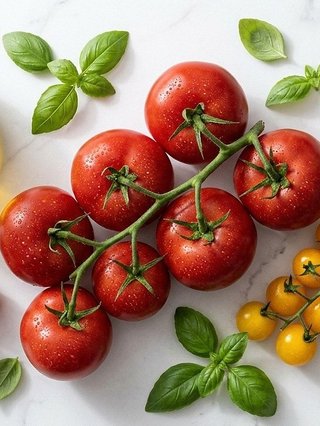
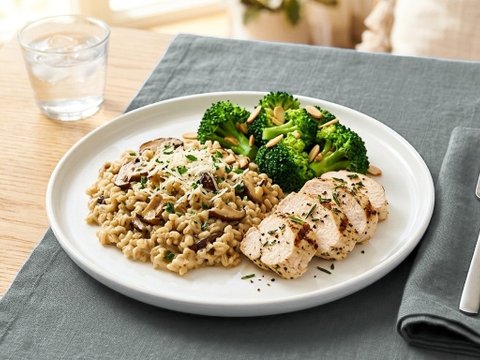
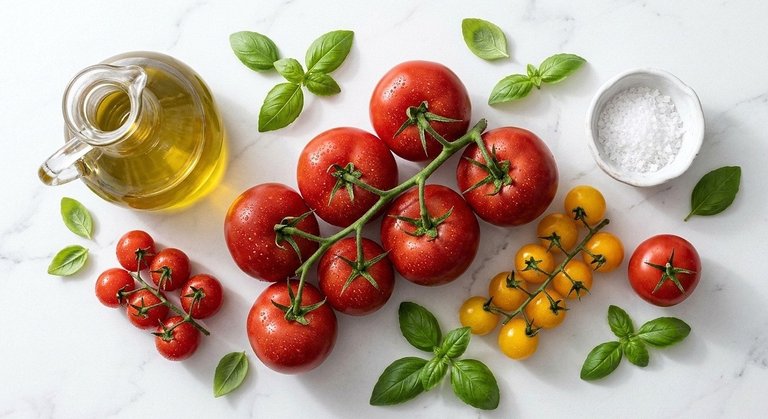
– enthalten große Mengen an antioxidativen Vitaminen, die dabei helfen, freie Radikale zu neutralisieren, welche Entzündungen verursachen können. Außerdem sind sie eine reiche Quelle an Mineralstoffen, Ballaststoffen und bioaktiven Verbindungen. Genau aufgrund all dieser Substanzen zeigen sie entzündungshemmende Wirkungen. Gemüse und Früchte mit dem höchsten antioxidativen Potenzial sind Zwiebeln, Knoblauch, grünes Blattgemüse (Endivie, Spinat), Kreuzblütlergemüse (Kohl, Brokkoli, Blumenkohl, Rosenkohl), Karotten, Tomaten, Rüben, Beerenfrüchte (Himbeeren, Erdbeeren, Brombeeren) und Zitrusfrüchte.
06 / 14
Nüsse, Hülsenfrüchte, Samen - Lebensmittel, die reich an ungesättigten Fettsäuren sind und eine Senkung des LDL-Cholesterinspiegels im Blut unterstützen sowie zahlreiche Nährstoffe liefern.
Nüsse, Hülsenfrüchte und Samen enthalten große Mengen an ungesättigten Fettsäuren, die dabei helfen, den LDL-Cholesterinspiegel im Blut zu regulieren. Darüber hinaus sind sie eine wichtige Quelle für viele Vitamine, Mineralien und Ballaststoffe. Zu den bedeutendsten Produkten dieser Kategorie gehören Walnüsse, Haselnüsse, Mandeln, Kürbiskerne und Leinsamen.
07 / 14
Fette Meeresfische wie Makrelen, Heringe, Lachse, Aale und Sardinen
– besitzen entzündungshemmende Eigenschaften aufgrund des Vorhandenseins von Omega-3-Fettsäuren. Diese Fettsäuren hemmen die überschießende Immunantwort des Körpers durch Verringerung von Schäden an den Zellstrukturen. In Fischen enthaltene Omega-3-Fettsäuren zeigen auch antialergische, antineurodegenerative, antikarzinogene und kardioprotektive Wirkungen. Eine Ernährung mit reichlich Quellen an Omega-3-Fettsäuren hilft, das Risiko von entzündlichen Erkrankungen zu verringern.
08 / 14
Die Samen der Hülsenfrüchtler
Kichererbsen, Linsen, Soja, Erbse, Bohnen oder Babys präsentieren einen vorteilhaften Einfluss auf die Marker von Entzündungen. Sie bieten beträchtliche Mengen an Proteinen, Nahrungsfasern, Vitaminen und Mineralstoffen. Außerdem führen sie zu einer niedrigeren glykämischen Reaktion und verursachen keine Entzündungen in den Körperzellen. Eine wesentliche Konsumption von Leguminosen in der Ernährung hemmt die Produktion von proinflammatorischen Zytokinen.
09 / 14
Vollkornprodukte
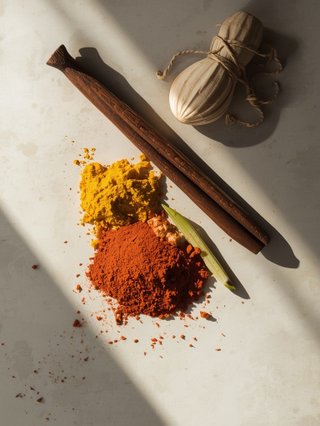
Vollkornprodukte zeichnen sich durch einen niedrigen glykämischen Index aus. Sie enthalten viel Ballaststoffe und bioaktive Verbindungen, wodurch sie entzündungshemmende Eigenschaften aufweisen. Untersuchungen, die eine Low-Glykämische-Index-Diät mit einer High-Glykämie-Indice-Diät vergleichen, haben gezeigt, dass eine Low-Glykämische-Diät den CRP-Spiegel im Blut erheblich senkt, der ein wichtiger Indikator für den Entzündungszustand ist (O. Gögebakan et al. 2011). Gewürze – enthalten große Mengen an biologisch aktiven Verbindungen, was nach dem Verzehr eine Verringerung des Entzündungszustands ermöglicht. Zu den Gewürzen mit dem größten antioxidativen Potential gehören Kurkuma, Zimt, Thymian, Rosmarin, Oregano und Ingwer.
10 / 14
Olivenöl und Oliven
Sie erlangen ihre entzündungshemmende Wirkung durch bedeutende Mengen an einfach ungesättigten Fettsäuren und bioaktiven Verbindungen.
11 / 14
Roter Wein
enthält eine beträchtliche Menge an antioxidativ wirkenden Molekülen (Polyphenole) und hat daher eine entzündungshemmende Wirkung. Allerdings ist Alkohol schädlich für den Körper und verursacht dadurch eine Entzündung. Obwohl Rotwein bestimmte Mengen von Polyphenolen enthält, scheint es sinnvoller zu sein, sie zu vermeiden, als sie zu nehmen, um die Entzündung zu lindern. Es gibt alternative Quellen für Polyphenole, wie zum Beispiel Beeren oder Erdbeeren.
12 / 14
Kräuterteegetränk
Sowohl schwarzer als auch grüner Tee weisen entzündungshemmende Eigenschaften aufgrund ihres Gehalts an bioaktiven Verbindungen auf. Dabei ist es jedoch die grüne Sorte, die einen höheren Anteil an antioxidativ wirkenden Polyphenolen aufweist. In Studien an übergewichtigen Patienten mit Bluthochdruck wurde beobachtet, dass die Supplementierung mit grünem Teeextrakt zu einer signifikanten Abnahme von Entzündungsmarkern wie CRP und TNF-Alpha führte (P. Bogdanski et al., 2012). Grüner Tee enthält etwa 1000 pflanzliche Substanzen, von denen eine beträchtliche Anzahl biologisch aktiv ist. Besonders hervorzuheben ist hierbei die Chlorogensäure, da sie starke antioxidative Eigenschaften aufweist. Mäßige Mengen an Kaffee (3-4 Tassen pro Tag) sind für den Körper unbedenklich und weisen eine Reihe gesundheitsfördernder Eigenschaften auf.
13 / 14
Produkte, die die Entzündungsreaktion verstärken
Eine Steigerung der Entzündungsreaktion ist das Ergebnis einer hochenergetischen Ernährung, die reich an gesättigten Fettsäuren, trans-Fettsäuren und Einfachzuckern mit hohem glykämischen Index ist. Die Hauptgruppen von Produkten, die die Entzündungsreaktion verstärken können, sind: verarbeitete, fette und rote Fleischsorten, Fast Food, verarbeitete Lebensmittel, Süßigkeiten, salzige Snacks (z. B. Chips, Stangen, Cracker), gesüßte Getränke, Alkohol, Getreideprodukte. Es wird empfohlen, den Verzehr der oben aufgeführten Produkte einzuschränken, da eine Diät, die große Mengen davon enthält, zu einem Anstieg des Entzündungsmarkers wie CRP führt.
14 / 14
Kurzzusammenfassung
Unsere Diät, die reich an Gemüse, Obst, Gewürzen und anderen Produkten mit wichtigen Mengen biologisch aktiver Verbindungen ist, hilft dabei, den Entzündungsgrad im Körper zu reduzieren und damit das Risiko vieler Krankheiten zu verringern. Daher sollte eine Diät mit entzündungshemmendem Potenzial sowohl Gesunden als auch Kranken als Präventivmaßnahme und Schutz vor Krankheiten empfohlen werden.
Ernährungsplan
Möchten Sie diese Richtlinien in Ihrer täglichen Ernährung umsetzen?
Unser intelligenter Diät-Generator erstellt in 3 Minuten einen maßgeschneiderten Speiseplan basierend auf diesen Empfehlungen.

Wissenschaftlich geprüft durch klinische Ernährungsberater
• 24.03.2026
Arulselvan P. et al., Role of Antioxidants and Natural Products in Inflammation, „Oxidative Medicine and Cellular Longevity” 2016, 5276130. Bogdanski P. et al., Green tea extract reduces blood pressure, inflammatory biomarkers, and oxidative stress and improves parameters associated with insulin resistance in obese, hypertensive patients, ,,Randomized Controlled Trial” 2012, 32(6), 421–427. Dąbrowski M., Choroby autoimmunologiczne – rodzaje, diagnostyka. Czym są jak je leczyć?, przychodniasynexus.pl/choroby-autoimmunologiczne-rodzaje-diagnostyka/#Choroby_immunologiczne_-_rodzaje (6.10.2021). Gögebakan O. et al., Effects of weight loss and long-term weight maintenance with diets varying in protein and glycemic index on cardiovascular risk factors: the diet, obesity, and genes (DiOGenes) study a randomized, controlled trial, ,,Circulation” 2011, 124(25), 2829–2838. Jarosz M. et al., Normy żywienia dla populacji Polski i ich zastosowanie, Warszawa 2020, 102. Patil K.R. et al., Animal Models of Inflammation for Screening of Anti-inflammatory Drugs: Implications for the Discovery and Development of Phytopharmaceuticals, „International Journal of Molecular Sciences” 2019, 20(18), 436. Pelczyńska M., Bogdański P., Prozdrowotne właściwości kawy, „Wybrane Problemy Kliniczne” 2019, 3(4), 311–317. Rondanelli M. et al., Food pyramid for subjects with chronic pain: foods and dietary constituents as anti-inflammatory and antioxidant agents, „Nutrition Research Reviews” 2018, 31(1), 131. Serafini M., Peluso I., Functional Foods for Health: The Interrelated Antioxidant and Anti-Inflammatory Role of Fruits, Vegetables, Herbs, Spices and Cocoa in Humans, „Current Pharmaceutical Design” 2016, 22(44), 6701–6715. Singh N. et al., Inflammation and cancer, „Annals of African medicine” 2019, 18(3), 121–126. Zhu F., Du B., Xu. B., Anti-inflammatory effects of phytochemicals from fruits, vegetables, and food legumes, „Critical Reviews in Food Science and Nutricion” 2018, 58(8), 1260–1270.
Diets Premium Experte
Experte im Team von Diets Premium. Spezialisiert auf Ernährungspläne, Kraftsport und Trainingspläne.
USDA FoodData Central
EFSA
PubMed Clinical Guidelines