Samen des spanischen Heilsalbei – ein Reichtum an Omega-3-Fettsäuren und Antioxidantien
Inhaltsverzeichnis 3
Medizinischer & redaktioneller Hinweis (§3 AGB): Dieser Artikel dient ausschließlich Informations- und Bildungszwecken, stellt keine ärztliche Beratung, Diagnose oder Therapieempfehlung dar und wird auf eigenes Risiko angewendet. Bei Erkrankungen oder Beschwerden wenden Sie sich bitte an Ihre Ärztin oder Ihren Arzt.
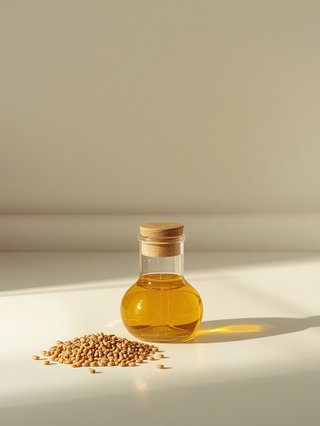
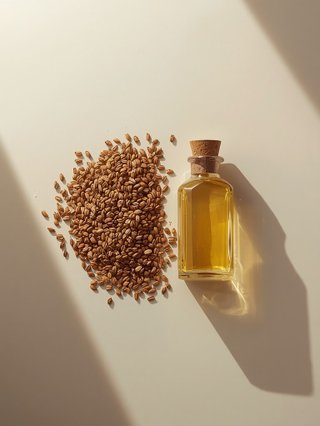
Im Inneren der Samen wirkt ein komplexes Zusammenspiel aus mehrfach ungesättigten Fettsäuren und sekundären Pflanzenstoffen. Das günstige Verhältnis von Omega-Drei- zu Omega-Sechs-Fettsäuren dämpft entzündliche Kaskaden im Gewebe und stärkt die zelluläre Integrität. Gleichzeitig liefern die enthaltenen Polyphenole wie Chlorogensäure, Kaffeesäure, Quercetin und Kaempferol einen wirksamen Schutz gegen freie Radikale. Diese biologisch aktiven Verbindungen hemmen die Lipidperoxidation der Zellmembranen und sorgen zusammen mit Tocopherolen für eine bemerkenswerte oxidative Stabilität der Samen, was sie im Vergleich zu anderen pflanzlichen Ölsaaten besonders widerstandsfähig gegen ein schnelles Ranzigwerden macht.
Für die praktische Anwendung im Alltag lassen sich Chiasamen mühelos in eine ausgewogene und herzgesunde Ernährungsweise integrieren. Da sie Flüssigkeit unter Bildung eines sanften Gels binden, eignen sie sich hervorragend als Beigabe zu Müsli, Joghurt oder pflanzlichen Drinks. Die regelmäßige, maßvolle Aufnahme dieser naturbelassenen Samen unterstützt die natürliche Zellregeneration und den Stoffwechsel, ohne dass dabei auf synthetische Ergänzungen zurückgegriffen werden muss. Durch die sachgerechte und trockene Lagerung bleibt die hohe Qualität der wertvollen Inhaltsstoffe über lange Zeiträume hinweg zuverlässig erhalten.
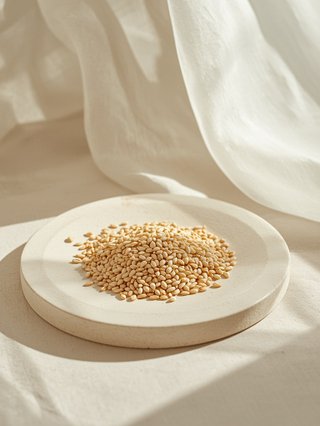
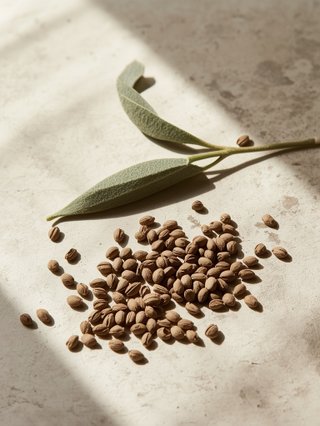
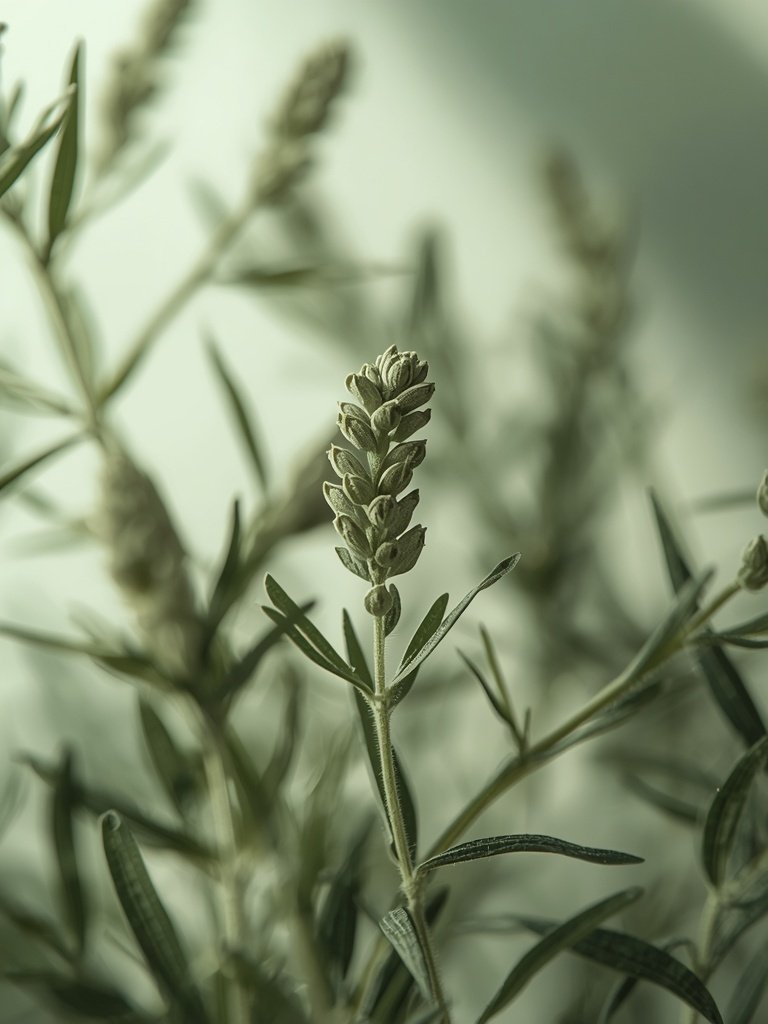
Die Spanische Salbei-Art Salvia hispanica, bekannt als Chiasamen, ist eine der ergiebigsten pflanzlichen Quellen für essenzielle Alpha-Linolensäure (ALA, Omega-3) und potente phenolische Antioxidantien. Während sie bereits in präkolumbianischen Hochkulturen als Grundnahrungsmittel geschätzt wurden, belegt die moderne Forschung ihre kardioprotektive, entzündungshemmende und zellschützende Wirkung. Dieser Artikel analysiert das Fettsäureprofil, die oxidative Stabilität und wissenschaftliche Verzehrempfehlungen von Chiasamen.
Lipid profile of chia seeds: alpha-linolenic acid (ALA) in inflammation mitigation
Lipids constitute approximately 30% to 34% of chia seeds by dry weight, with alpha-linolenic acid (ALA, 18:3 n-3) comprising over 60% of total fatty acids. In stark contrast to conventional seed oils, chia exhibits an extraordinarily favorable dietary omega-6 to omega-3 ratio of approximately 1:3, counteracting the pro-inflammatory 15:1 to 20:1 imbalance typical of modern Western diets.
Physiological and biochemical mechanisms of chia-derived ALA include:
- Down-regulation of inflammatory cascades: Serves as an upstream substrate for anti-inflammatory eicosanoids, suppressing nuclear factor kappa B (NF-kB) activation and decreasing circulating TNF-alpha, IL-6, and hs-CRP.
- Cardiovascular and endothelial protection: Clinically proven to reduce serum triglycerides and small dense LDL particles while enhancing nitric oxide-mediated flow-dependent vasodilation.
- Endogenous EPA synthesis: Although human elongation and desaturation of ALA to docosahexaenoic acid (DHA) remains constrained, consistent chia consumption substantially elevates plasma phospholipid eicosapentaenoic acid (EPA) titers.
Potent antioxidant complex: chlorogenic acid, caffeic acid, quercetin, and kaempferol
The biological resilience of chia seeds and their profound systemic benefits stem from an abundant profile of natural polyphenols. Their radical-scavenging capacity notably exceeds that of numerous commercial fruits and oilseeds.
Key bioactive phenolic constituents identified in chia seeds include:
- Chlorogenic acid: Potently scavenges hydroxyl and peroxyl radicals, moderates intestinal glucose uptake, and assists blood pressure regulation.
- Caffeic acid: Inhibits membrane lipid peroxidation and provides robust cytoprotection against environmental reactive oxygen species (ROS).
- Quercetin: A premier flavonol exerting vasoprotective, anti-atherogenic, and anti-allergic effects by stabilizing mast cell membranes and reducing capillary permeability.
- Kaempferol: Demonstrates cardioprotective efficacy and upregulates endogenous antioxidant defense enzymes, including superoxide dismutase (SOD).
- Tocopherol isomers: Natural vitamin E fractions (predominantly gamma-tocopherol) safeguarding polyunsaturated double bonds against oxidative cleavage.
Oxidative stability, storage recommendations, and safe daily consumption guidelines
A defining commercial and dietary advantage of chia seeds over flaxseed is their innate oxidative stability. While milled flaxseed oxidizes rapidly upon oxygen exposure, chia seeds remain remarkably resistant to rancidity for extended periods owing to endogenous polyphenols and tocopherol complexes.
Evidence-based guidelines for optimal integration:
- Standard daily serving: The European Food Safety Authority (EFSA) authorizes a recommended daily intake of 15–20 g of chia seeds (approximately 1 to 2 tablespoons). This serving provides 100% of the recommended dietary allowance for plant-derived omega-3 ALA.
- Compulsory hydration requirement: Given their hydrophilic nature, chia seeds must invariably be ingested accompanied by copious fluids (minimum 250 ml liquid per tablespoon of seeds) or consumed in pre-soaked gel format.
- Optimal storage conditions: Store whole seeds in an airtight, opaque container in a cool, dry pantry away from direct heat and UV exposure. Freshly ground chia flour should be kept refrigerated and utilized within 2–3 weeks.
- Clinical precautions: Individuals on antiplatelet or anticoagulant pharmacotherapy should exercise moderation, as high intakes of omega-3 fatty acids exert mild complementary anti-thrombotic effects.
Möchten Sie diese Richtlinien in Ihrer täglichen Ernährung umsetzen?
Unser intelligenter Diät-Generator erstellt in 3 Minuten einen maßgeschneiderten Speiseplan basierend auf diesen Empfehlungen.
Tags

Laura Schneider
• 25.11.2026Diets Premium Experte
Experte im Team von Diets Premium. Spezialisiert auf Ernährungspläne, Kraftsport und Trainingspläne.