Optimale Nussröstung: Strategien zur Minimierung des Abbaus bioaktiver Inhaltsstoffe während der thermischen Verarbeitung
Inhaltsverzeichnis 4
Medizinischer & redaktioneller Hinweis (§3 AGB): Dieser Artikel dient ausschließlich Informations- und Bildungszwecken, stellt keine ärztliche Beratung, Diagnose oder Therapieempfehlung dar und wird auf eigenes Risiko angewendet. Bei Erkrankungen oder Beschwerden wenden Sie sich bitte an Ihre Ärztin oder Ihren Arzt.
Die thermische Verarbeitung, insbesondere bei höheren Temperaturen, führt zur Oxidation ungesättigter Fette, die freie Radikale bilden und oxidativen Stress im Körper fördern können. Auch die Maillard-Reaktion, die für die Entwicklung komplexer Aromen verantwortlich ist, kann den Nährwert beeinflussen. Eine präzise Temperaturkontrolle und eine kurze Expositionszeit sind entscheidend, um den Abbau von Nährstoffen zu minimieren und gleichzeitig die gewünschten sensorischen Eigenschaften zu erzielen.
Für den Hausgebrauch empfiehlt es sich, die Kerntemperatur der Samen oder Nüsse zu überwachen und sie regelmäßig zu wenden, um ein gleichmäßiges Rösten zu gewährleisten und ein Überhitzen zu vermeiden. Kürbiskerne, Sonnenblumenkerne und Mandeln sind hervorragende Kandidaten für das Rösten und bereichern Salate, Müslis oder Hauptgerichte mit ihren einzigartigen Nährstoffen und Geschmacksrichtungen. Durch bewusstes Rösten kann man den vollen Geschmack genießen, ohne unnötige Einbußen bei den bioaktiven Verbindungen hinnehmen zu müssen.
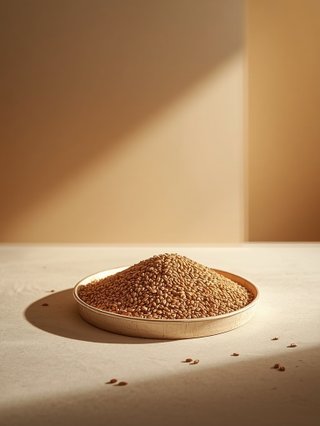
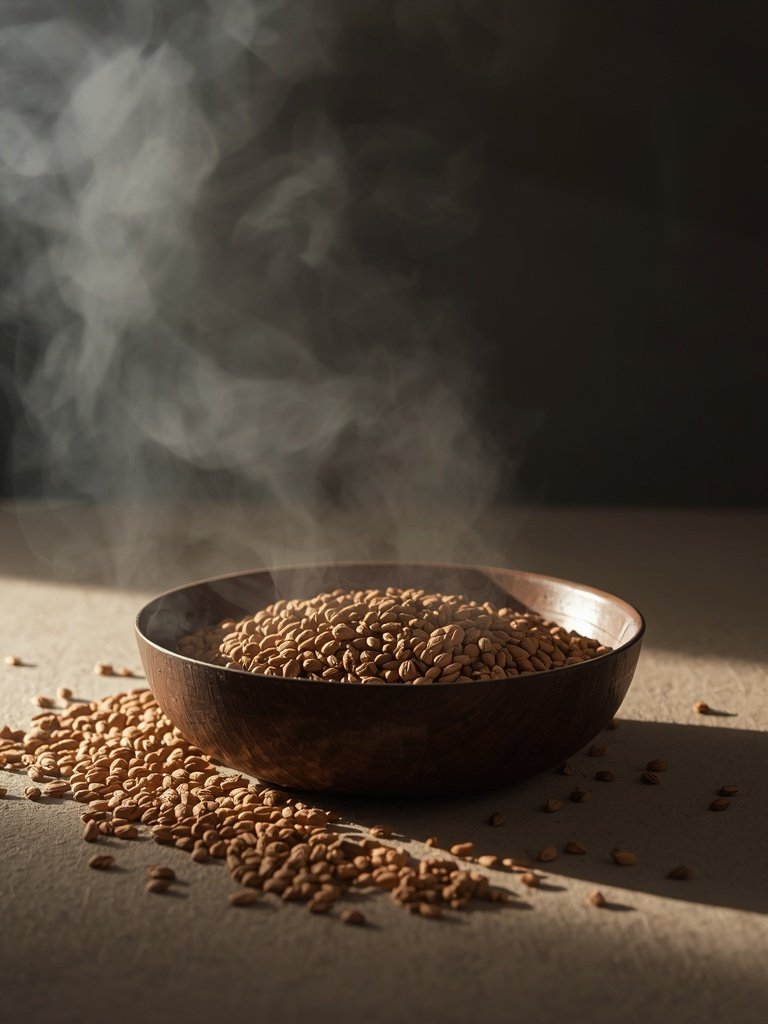
Knusprige, goldgelbe Kürbiskerne, intensiv aromatische Sonnenblumenkerne, zart karamellisierte Mandelblättchen oder tiefwürzig duftende Kaffeebohnen – all diese Produkte verdanken ihre einzigartigen sensorischen Eigenschaften einem präzise kontrollierten Röstvorgang. Während hohe Temperaturen essenziell für die Entwicklung der gewünschten geschmacklichen und olfaktorischen Qualitäten sind, führen sie gleichzeitig zu einem oft irreversiblen Verlust wertvoller Nährstoffe wie hitzelabiler Vitamine, Omega-3-Fettsäuren und phenolischer Antioxidantien. Wie lässt sich dieser Prozess also optimieren, sodass der volle Geschmackserlebnis genossen werden kann, ohne unnötige Einbußen bei der Nährstoffdichte hinnehmen zu müssen?
What Is Roasting?
Roasting is a controlled thermal process where a product is exposed to high temperatures without reaching its melting point, aiming to enhance sensory qualities such as aroma, flavor, and texture while preserving structural integrity. At home, this is typically done in a dry pan or oven, with seeds or kernels spread on parchment paper to ensure even browning. Technologically, roasting is categorized into three main stages: light (120–140 °C), medium (150–180 °C), and intense (180–300 °C). The chosen temperature depends on the product type, moisture content, fat levels, and desired outcome. For instance, delicate seeds like pumpkin seeds require shorter exposure times at lower temperatures, whereas hard-shelled nuts like almonds tolerate higher temperatures for even browning.
Nutrient Loss During Seed and Nut Roasting
While roasting significantly enhances the sensory qualities of seeds and nuts, it also leads to substantial nutrient loss. Research indicates that high temperatures (above 160 °C) cause irreversible degradation of heat-sensitive compounds such as vitamin E, omega-3 fatty acids, and polyphenols. Particularly concerning is the oxidation of unsaturated fats, which, when exposed to oxygen, break down into free radicals, triggering oxidative stress in the body. Additionally, the Maillard reaction, responsible for the characteristic browning, reduces the bioavailability of amino acids and carbohydrates. The cell wall structure is also compromised, potentially hindering nutrient absorption. However, mineral content remains largely intact, as these components are thermally stable. A notable benefit is the inactivation of antinutritional compounds like phytic acid, which improves nutrient absorption. To minimize losses, the roasting process should be as brief as possible at lower temperatures to achieve the desired browning without compromising nutritional integrity.
Optimal Roasting Techniques for Home Use
To minimize nutrient loss during roasting while achieving desired sensory qualities, several key practical tips are essential. 1. Temperature control: Use a thermometer to monitor the core temperature of seeds or nuts, aiming for 140–160 °C for delicate products like pumpkin seeds and 160–180 °C for hard-shelled nuts like almonds. 2. Short exposure time: Stir the seeds or nuts regularly and remove them immediately upon reaching the desired color. Overheating leads to bitter flavors and increased nutrient loss. 3. Dryness: Moist seeds or nuts can splatter and roast unevenly. Dry them at room temperature or in an oven (below 60 °C) for 1–2 hours beforehand. 4. Portion size: Roast small batches at a time to ensure even browning. Large batches may remain undercooked inside and roast unevenly. 5. Immediate cooling: Spread the roasted seeds or nuts on a cooling rack or sieve to halt the process and preserve nutrients. These steps help retain sensory qualities while maximizing nutritional density.
Recommended Seeds and Nuts for Roasting and Culinary Uses
Various seeds and nuts are ideal for roasting, each offering unique sensory and nutritional benefits. Pumpkin seeds are rich in magnesium, zinc, and omega-3 fatty acids and work well in salads, muesli, or as a topping for soups. Sunflower seeds provide vitamin E and are perfect for savory snacks or as a side to meat dishes. Almonds contain healthy fats and vitamin E, making them great for desserts or as a crunchy addition to salads. Walnuts are high in omega-3 fatty acids and ideal for hearty dishes like pasta or as a topping for salads. Coconut flakes add an exotic touch to recipes and are a good source of fiber and manganese. Coffee beans are industrially roasted to enhance aroma and optimize caffeine content—longer roasting times result in darker beans with reduced caffeine levels. For optimal nutrient retention, roasting should always be quick and at low temperatures to preserve sensory qualities without compromising valuable components.
Möchten Sie diese Richtlinien in Ihrer täglichen Ernährung umsetzen?
Unser intelligenter Diät-Generator erstellt in 3 Minuten einen maßgeschneiderten Speiseplan basierend auf diesen Empfehlungen.
Tags

Mia Hoffmann
• 25.11.2026Diets Premium Experte
Experte im Team von Diets Premium. Spezialisiert auf Ernährungspläne, Kraftsport und Trainingspläne.