Patulina – Mykotoxisches Risiko durch Kontamination von Obst- und Gemüseprodukten

Inhaltsverzeichnis 4
Medizinischer & redaktioneller Hinweis (§3 AGB): Dieser Artikel dient ausschließlich Informations- und Bildungszwecken, stellt keine ärztliche Beratung, Diagnose oder Therapieempfehlung dar und wird auf eigenes Risiko angewendet. Bei Erkrankungen oder Beschwerden wenden Sie sich bitte an Ihre Ärztin oder Ihren Arzt.
Auf molekularer Ebene weist Patulin eine hohe elektrophile Affinität zu Sulfhydrylgruppen auf, wodurch es wichtige zelluläre Antioxidanzien wie Glutathion sowie funktionelle Enzyme blockiert. Die akute Aufnahme hoher Mengen kann zu Reizungen der Magen-Darm-Schleimhaut, Geschwüren, einer Störung der epithelialen Barrierefunktion sowie zu Erbrechen und Durchfall führen. Eine längerfristige, chronische Exposition über die Nahrung steht im Verdacht, entzündliche Prozesse im Darmgewebe zu fördern und schädigende Einflüsse auf Leber, Nieren und das Nervensystem auszuüben. Auch wenn Hitzebehandlungen bei der Konservierung Schimmelpilze abtöten, bleibt das bereits gebildete Giftstoffmolekül weitgehend intakt, weshalb thermische Verarbeitungsverfahren keinen Schutz vor dem Toxin bieten.
Für den sicheren Umgang im Alltag bedeutet dies, dass das bloße Ausschneiden von fauligen oder verschimmelten Stellen bei saftigem Obst und Gemüse keineswegs ausreicht, um das gesundheitliche Risiko zu eliminieren. Bei weichem oder wasserreichem Lesegut wie Beeren, Tomaten oder Pfirsichen sollte das gesamte Produkt bei Befall entsorgt werden, da sich die Schadstoffe unbemerkt im gesamten Fruchtfleisch verteilen. Auch bei festem Kernobst können Pilze in das Innere des Gehäuses eindringen, ohne dass dies an der Schale sofort sichtbar ist. Der beste Schutz besteht darin, auf einwandfreie Frische zu achten, Beschädigungen beim Transport zu vermeiden und potenziell kontaminierte Rohstoffe konsequent aus der Ernährung auszuschließen.
Mechanische Beschädigungen der Fruchthaut von Obst und Gemüse – etwa durch Druckstellen, Stöße, Risse oder Schädlinge – begünstigen die Besiedlung durch Schimmelpilze der Gattungen Penicillium, Aspergillus und Byssochlamys, die als sekundäres Stoffwechselprodukt das hochgiftige Mykotoxin Patulin bilden. Optisch äußert sich der Befall meist als braune Nassfäule (Braunfäule). Da Patulin gut wasserlöslich und hitzestabil ist, breitet es sich unbemerkt im scheinbar gesunden Fruchtfleisch sowie in Fruchtsäften und Musen aus und stellt ein relevantes Gesundheitsrisiko dar.
Mold on Food – Ecological Succession and Filamentous Fungal Growth
Microbial food spoilage is a multi-stage biological process governed by ecological succession: pioneer microorganisms alter substrate pH, moisture, and nutrient availability, creating a favorable microenvironment for secondary colonizers and ultimately causing complete deterioration of the raw material. The appearance of a dense white, bluish-green, or velvety mycelial mat on the surface of fruits, vegetables, or preserves signals advanced colonization by filamentous fungi (commonly referred to as molds).
Crucially, the visible surface mold represents only the fruiting body producing conidiospores, whereas microscopic hyphae and their secreted toxic secondary metabolites (mycotoxins) penetrate deeply throughout the aqueous tissues of the food.
What Is Patulin and Which Foods Are Most Commonly Contaminated?
Patulin is a toxic secondary metabolite synthesized by numerous species of filamentous fungi belonging to the genera Penicillium, Aspergillus, and Byssochlamys (a heat-resistant mold notorious in the fruit-processing industry). Chemically classified as an unsaturated heterocyclic lactone (4-hydroxy-4H-furo[3,2-c]pyran-2(6H)-one), patulin exhibits intense biological reactivity due to its electrophilic affinity for sulfhydryl (-SH) groups of glutathione, cysteine-containing enzymes, structural proteins, and nucleic acids.
The principal causal agent of post-harvest brown soft rot and patulin accumulation is Penicillium expansum. Patulin contamination is most frequently detected in:
- Apples and apple-derived products: cloudy and clear apple juices, nectars, purees, compotes, and baby foods manufactured from windfall or mechanically bruised apples,
- Other pome, stone, and soft fruits: pears, grapes, apricots, peaches, nectarines, plums, cherries, strawberries, blueberries, pineapples, and bananas,
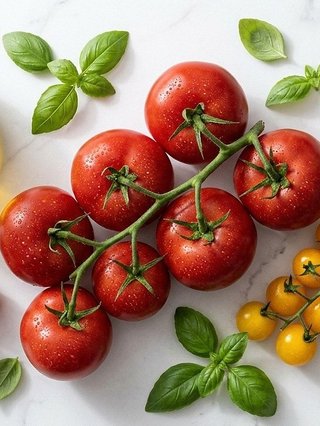
- Aqueous vegetables: notably tomatoes and tomato products whose damaged epidermis permits fungal penetration.
Patulin – Toxicity, Poisoning Symptoms, and Regulatory Safety Limits (EU/WHO)
During the 1940s, patulin was briefly investigated as an intranasal antimicrobial spray for the common cold, but clinical trials were swiftly abandoned once its severe mucosal and systemic toxicity became evident. Acute ingestion of elevated patulin doses induces gastrointestinal hyperemia, mucosal ulceration, epithelial tight-junction disruption, hemorrhage, nausea, vomiting, and diarrhea. Chronic dietary exposure leads to intestinal inflammation, hepatotoxicity, nephrotoxicity, neurotoxicity, and immunotoxicity, alongside documented genotoxic (DNA strand breakage) and teratogenic effects in experimental models.
To safeguard public health, European Union regulations and WHO guidelines enforce strict maximum permitted levels of patulin in foodstuffs:
- 50 µg/kg: in fruit juices, reconstituted concentrated juices, fruit nectars, and fermented apple drinks such as cider,
- 25 µg/kg: in solid apple products intended for direct human consumption (including apple compote and apple puree),
- 10 µg/kg: in apple juices and solid apple-based foods specifically formulated for infants and young children.
How to Prevent Patulin Exposure – Food Safety Guidelines
Simply cutting away the visibly moldy or brown-rotted portion of a fruit does not remove patulin. Because this mycotoxin is highly water-soluble, it diffuses rapidly from the lesion into surrounding firm, healthy-looking tissue (penetrating at least 1–2 cm in dense apples and throughout the entire fruit in juicy produce such as tomatoes, peaches, and berries). Furthermore, Penicillium expansum can colonize the internal seed core of apples and pears without obvious external blemishes.
Essential consumer food safety practices to prevent patulin exposure:
- Discard any fruit showing signs of mold or brown soft rot in its entirety: never trim around moldy spots to eat the remainder raw or use bruised, rotting windfall fruit for homemade purees, compotes, jams, or juices.
- Inspect the internal seed cavity: always slice apples and pears open before juicing or cooking to ensure the core and seed chambers are free of internal mycelial growth.
- Understand patulin's thermal stability: patulin is remarkably heat-stable in acidic matrices (pH 3.5–5.5); standard boiling, baking, and pasteurization do not destroy the toxin. Only active alcoholic fermentation by yeast enzymes reliably degrades patulin into non-toxic breakdown products.
- Proper post-harvest handling and storage: handle fresh produce gently to prevent skin bruising and store fruits under cool, dry, well-ventilated conditions.
Möchten Sie diese Richtlinien in Ihrer täglichen Ernährung umsetzen?
Unser intelligenter Diät-Generator erstellt in 3 Minuten einen maßgeschneiderten Speiseplan basierend auf diesen Empfehlungen.

Sophia Williams
• 25.11.2026Diets Premium Experte
Experte im Team von Diets Premium. Spezialisiert auf Ernährungspläne, Kraftsport und Trainingspläne.