Vergleich der beliebtesten Mayonnaise – Analyse von Zusammensetzung, Lipidprofil und Lebensmittelzusatzstoffen
Inhaltsverzeichnis 3
Medizinischer & redaktioneller Hinweis (§3 AGB): Dieser Artikel dient ausschließlich Informations- und Bildungszwecken, stellt keine ärztliche Beratung, Diagnose oder Therapieempfehlung dar und wird auf eigenes Risiko angewendet. Bei Erkrankungen oder Beschwerden wenden Sie sich bitte an Ihre Ärztin oder Ihren Arzt.
Im Zentrum der biochemischen Analyse steht das Lipidprofil, das fast vollständig durch das verwendete Pflanzenöl bestimmt wird. Während kostengünstige Rezepturen auf Basis von Sonnenblumenöl oder unspezifischen Ölmischungen oft ein ungünstiges Übergewicht an mehrfach ungesättigten Fettsäuren wie Linolsäure aufweisen, bietet hochwertiges Rapsöl eine deutlich vorteilhaftere Zusammensetzung. Rapsöl liefert reichlich einfach ungesättigte Ölsäure sowie ein ausgewogenes Verhältnis von essentiellen Fettsäuren einschließlich Alpha-Linolensäure, was eine herzfreundliche Ernährung sinnvoll unterstützen kann. Darüber hinaus zeigt der Markenvergleich deutliche Unterschiede zwischen traditionellen Rezepturen aus reinem Öl, Eigelb, Essig, Senf und Gewürzen gegenüber stark verarbeiteten Varianten mit künstlichen Konservierungsstoffen, synthetischen Stabilisatoren, Verdickungsmitteln und Antioxidationsmitteln.
Für die tägliche Ernährungspraxis bedeutet dies, dass Mayonnaise bei bewusster Markenwahl und maßvoller Dosierung durchaus Teil eines ausgewogenen Speiseplans bleiben kann. Verbraucher sollten gezielt zu Produkten greifen, die ausschließlich Rapsöl als Fettquelle deklarieren und nach dem Prinzip einer kurzen, transparenten Zutatenliste ohne chemische Hilfsstoffe hergestellt werden. Durch eine achtsame Portionskontrolle in Salaten, Nudelgerichten oder auf Broten lässt sich der kulinarische Genuss bewahren, während gleichzeitig die Zufuhr unerwünschter Zusatzstoffe und ungünstiger Fettsäuren im Alltag minimiert wird.
Dieser Artikel ist ein professioneller Fachartikel (PRO), der vollständig zur Verfügung gestellt wird.
Mayonnaise ist eine der am weitesten verbreiteten Öl-in-Wasser-Emulsionen in der kulinarischen Tradition und bildet die Grundlage zahlreicher Saucen, Dressings und Eierspeisen. Aus ernährungsphysiologischer Sicht handelt es sich um ein hochkalorisches Lebensmittel mit einem Fettanteil von üblicherweise 70 bis 80 Prozent. Die gesundheitliche Bewertung industrieller Mayonnaisen hängt maßgeblich von spezifischen biochemischen Faktoren ab: der Wahl des pflanzlichen Basisöls, dem resultierenden Verhältnis von Omega-6- zu Omega-3-Fettsäuren, der Qualität der Eigelbkomponente sowie dem Verzicht auf chemische Stabilisatoren und Antioxidationsmittel.
Lipid Profile and Core Ingredients: Rapeseed vs. Sunflower Oil and the Omega-3/Omega-6 Ratio
Vegetable oil constitutes the predominant component of commercial mayonnaise, dictating its overall fatty acid architecture. Formulations typically utilize refined rapeseed (canola) oil, sunflower oil, or soybean oil. From a lipidological perspective, rapeseed oil is markedly superior: it delivers high proportions of monounsaturated oleic acid (omega-9) alongside an optimal dietary omega-6 (linoleic acid) to omega-3 (alpha-linolenic acid, ALA) ratio of approximately 2:1 to 3:1. Conversely, sunflower oil exhibits an overwhelmingly unbalanced omega-6 to omega-3 ratio exceeding 120:1, which can exacerbate systemic low-grade inflammation when consumed in excess within typical Western diets.
The secondary functional foundation consists of egg yolks, which supply native phosphatidylcholine (lecithin) as a natural emulsifier, together with bioactive lutein, choline, and fat-soluble micronutrients (vitamins A, D, and E). Premium commercial brands declare 5% to 8% liquid egg yolk content. Lower-tier manufacturers frequently substitute reconstituted spray-dried egg powder, while low-fat 'light' formulations replace lipid mass with modified starches, maltodextrin, and hydrocolloid gums (guar and xanthan), which paradoxically increases the glycemic load and dilutes nutritional value.
Market Brand Comparison: Fat Density, Raw Materials, and Industrial Formulation
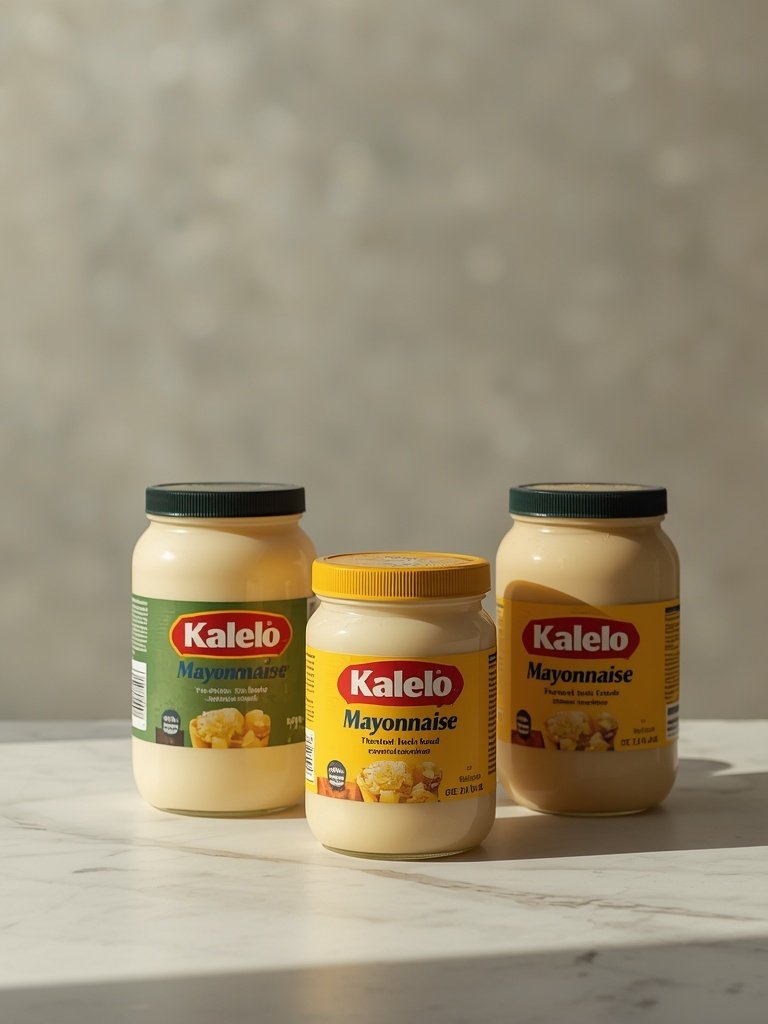
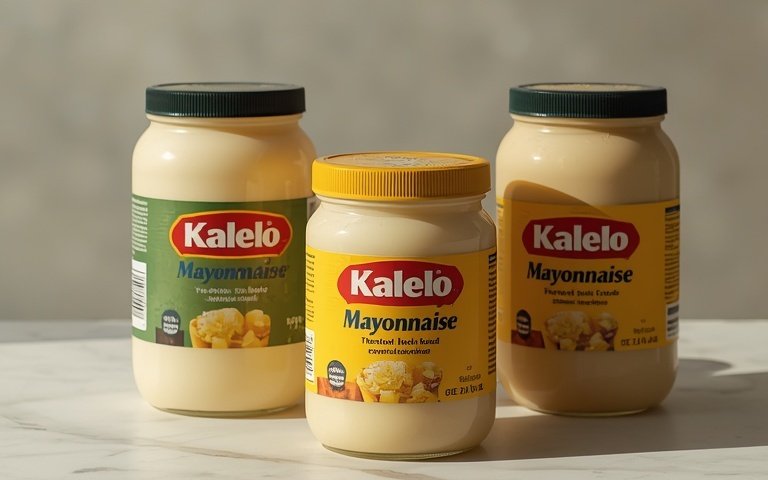
A thorough comparative evaluation of major commercial mayonnaise brands reveals stark divergences in recipe purity, caloric density, and manufacturing integrity. Conventional full-fat mayonnaises range between 680 and 750 kcal per 100 grams, with lipid fractions routinely exceeding 75% to 80%. Select heritage brands distinguish themselves by adhering to authentic 'clean-label' principles—utilizing strictly rapeseed oil, egg yolks, vinegar, mustard, and seasonings without artificial preservatives or textural stabilizers.
Conversely, a significant segment of mass-market products introduces synthetic antioxidants, most notably calcium disodium EDTA (E 385). While EDTA efficiently chelates transition metal ions to inhibit lipid rancidity and prolong commercial shelf life, excessive dietary exposure can sequester trace minerals like iron and zinc, interfering with intestinal absorption. Lower-grade formulations also rely on added artificial flavor enhancers, colorants (such as beta-carotene or paprika extracts), and water binders to mask reduced real yolk concentrations.
Dietary Evaluation and Purchasing Criteria: Evidence-Based Consumer Selection
From a clinical dietary perspective, mayonnaise need not be entirely excluded from a balanced nutrition plan, provided consumers exercise disciplined portion control and brand selectivity. The primary purchasing benchmark is the lipid origin: prioritize products explicitly stating 100% rapeseed (canola) oil to ensure cardioprotective oleic and alpha-linolenic acids, while rejecting options based on high-omega-6 sunflower oil or unspecific 'vegetable oil' blends. The second rule is avoiding products formulated with calcium disodium EDTA (E 385), modified starches, and artificial flavoring agents.
Given that a single level tablespoon (approx. 15 g) provides roughly 100 to 110 kcal, caloric management remains essential. A proven dietetic strategy to lower energy density without sacrificing palatability is blending high-grade artisanal mayonnaise with plain Greek yogurt or skyr in a 1:1 or 1:2 ratio. This technique cuts total fat and caloric load by over 50%, while introducing high-quality dairy protein and beneficial probiotic lactic cultures to cold preparations.
Möchten Sie diese Richtlinien in Ihrer täglichen Ernährung umsetzen?
Unser intelligenter Diät-Generator erstellt in 3 Minuten einen maßgeschneiderten Speiseplan basierend auf diesen Empfehlungen.
Tags

Wojciech Wiśniewski
• 25.11.2026Diets Premium Experte
Experte im Team von Diets Premium. Spezialisiert auf Ernährungspläne, Kraftsport und Trainingspläne.