Rote Paprika – Profil bioaktiver Verbindungen, Kaloriengehalt sowie gesundheitliche und kulinarische Vorteile
Inhaltsverzeichnis 3
Medizinischer & redaktioneller Hinweis (§3 AGB): Dieser Artikel dient ausschließlich Informations- und Bildungszwecken, stellt keine ärztliche Beratung, Diagnose oder Therapieempfehlung dar und wird auf eigenes Risiko angewendet. Bei Erkrankungen oder Beschwerden wenden Sie sich bitte an Ihre Ärztin oder Ihren Arzt.
Während der Reifung unter Sonneneinstrahlung bildet die Frucht intensive Carotinoid-Pigmente wie Capsanthin, Capsorubin und Beta-Carotin, die für ihre leuchtend rote Farbe verantwortlich sind. Darüber hinaus gehört die rote Gemüsepaprika zu den ergiebigsten pflanzlichen Quellen für Vitamin C und übertrifft in ihrer Konzentration sogar klassische Zitrusfrüchte deutlich. Dieses wasserlösliche Vitamin unterstützt die körpereigene Kollagensynthese sowie die normale Funktion der Blutgefäße, während der hohe Wasseranteil und die sehr geringe Energiedichte bei gleichzeitig minimalem Fettgehalt das Gemüse zu einer idealen Komponente für eine ausgewogene Stoffwechselgesundheit machen.
Für die kulinarische Praxis empfiehlt sich insbesondere der rohe Verzehr, etwa in knackigen Salaten, auf Vollkornbrot, in Frischkäsezubereitungen oder als Gemüsesticks zu Hummus, um hitzeempfindliche Nährstoffe wie Vitamin C und Folat vollständig zu bewahren. Da die wertvollen Carotinoide fettlöslich sind, verbessert die Kombination mit hochwertigen Nahrungsfetten wie nativem Olivenöl extra oder Avocado deren mizellare Löslichkeit und Aufnahme im Darm erheblich. So lässt sich die rote Paprika vielseitig und nährstoffschonend in den täglichen Speiseplan integrieren.
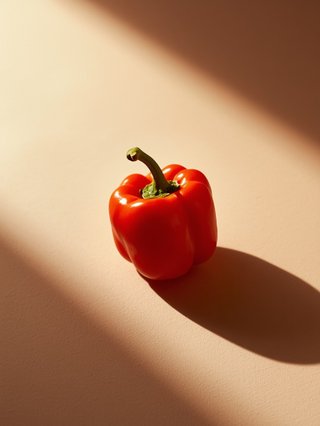
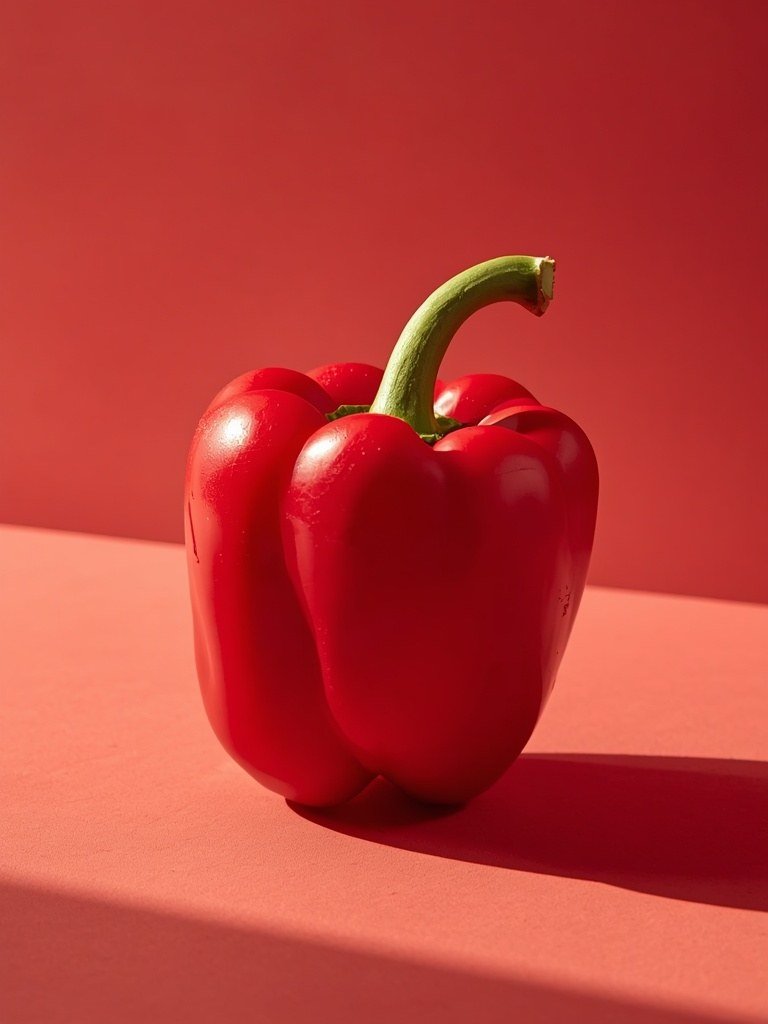
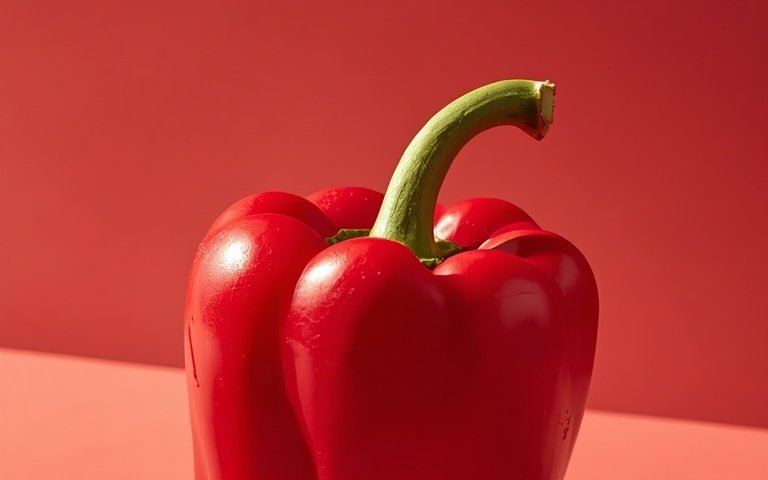
Die rote Gemüsepaprika (Capsicum annuum L.) gehört zur Familie der Nachtschattengewächse (Solanaceae) und wird botanisch als dickwandige, vielsamige Beerenfrucht klassifiziert. Ihre leuchtend rote Färbung erreicht sie im Stadium der vollen physiologischen Reife durch die Bildung spezifischer Carotinoid-Pigmente – allen voran Capsanthin, Capsorubin und Beta-Carotin. Im Gegensatz zu scharfen Chilisorten enthält die milde Gemüsepaprika kein Capsaicin, zählt jedoch zu den reichhaltigsten natürlichen Quellen für Vitamin C und kardioprotektive Polyphenole.
Nutritional Properties of Red Bell Pepper – Vitamins, Minerals, and Antioxidants
Red bell pepper boasts the highest micronutrient density among all bell pepper colors because it remains on the vine until complete physiological ripeness, accumulating phytochemicals under sunlight. Just 100 g of raw red bell pepper delivers 140 to 190 mg of vitamin C, fulfilling nearly 200% of an adult's recommended daily intake and containing more than triple the ascorbic acid of citrus fruits. Vitamin C reinforces vascular endothelial integrity, drives endogenous collagen synthesis, bolsters innate and adaptive immunity, and markedly enhances non-heme iron absorption from plant-based meals.
Equally remarkable is its spectrum of carotenoids, flavonoids, and essential minerals:
- Capsanthin, beta-carotene, lutein, and zeaxanthin: Shield the retinal macula from photo-oxidative damage, support scotopic (night) vision, and quench singlet oxygen radicals.
- Bioflavonoids (quercetin and luteolin): Exert potent anti-inflammatory, neuroprotective, and anti-atherogenic effects by inhibiting the oxidative modification of LDL lipoproteins.
- Potassium (approx. 210 mg/100 g), vitamin E, and folate: Potassium regulates myocardial contractility and counteracts sodium-induced hypertension, supporting optimal cardiovascular function.
Caloric Value and Macronutrients – How Many Calories Does a Red Bell Pepper Have?
Red bell pepper is an exceptionally low-calorie vegetable. A 100 g edible portion provides only 25 to 31 kcal, meaning a whole medium-sized cored pod (weighing approximately 140 to 150 g) contributes roughly 38 to 45 kcal. Nearly 92% of its weight consists of water, while its macronutrient breakdown per 100 g comprises 4.6 to 6.0 g of total carbohydrates, 1.0 to 1.3 g of protein, and negligible lipid content (approx. 0.3 g, predominantly polyunsaturated fatty acids).
From a clinical metabolic standpoint, red bell pepper excels due to its dietary fiber content (approx. 2.0 to 2.1 g per 100 g) paired with a very low glycemic index (GI = 15). These structural fibers delay gastric emptying, enhance postprandial satiety, promote regular bowel motility, and blunt post-meal glycemic and insulinemic spikes. Consequently, red bell peppers can be consumed generously in weight-reduction regimens as well as in medical nutrition therapy for insulin resistance and type 1 or type 2 diabetes.
Culinary Applications of Red Bell Pepper and Thermal Nutrient Stability
Red bell pepper is one of the most versatile vegetables in culinary practice. Consumed raw—sliced into crisp salads, layered onto whole-grain sandwiches, folded into cottage cheese spreads, or served as crudités alongside hummus—it retains 100% of its heat-sensitive vitamin C and folate. Pairing raw bell pepper with a drizzle of extra virgin olive oil or avocado is highly recommended, as dietary lipids facilitate micellar solubilization and intestinal absorption of fat-soluble carotenoids (beta-carotene and capsanthin) and vitamin E.
When subjected to thermal processing (roasting, stewing, or grilling), ascorbic acid levels decline by roughly 25% to 40%, yet the breakdown of plant cell walls significantly increases the bioavailability of antioxidant carotenoids. Roasted or braised red bell peppers shine in Hungarian-style lecso, Mediterranean ratatouille, velvety roasted pepper soups, and Balkan ajvar spreads. Furthermore, removing the stem cap and seed core yields a sturdy edible vessel ideal for stuffing with lean poultry, lentils, buckwheat groats, or quinoa and baking until tender.
Möchten Sie diese Richtlinien in Ihrer täglichen Ernährung umsetzen?
Unser intelligenter Diät-Generator erstellt in 3 Minuten einen maßgeschneiderten Speiseplan basierend auf diesen Empfehlungen.
Tags

Alicja Kowalska
• 25.11.2026Diets Premium Experte
Experte im Team von Diets Premium. Spezialisiert auf Ernährungspläne, Kraftsport und Trainingspläne.