Geschrotete Leinsamen: Nährwert und gesundheitliche Vorteile in der Ernährung
Inhaltsverzeichnis 4
Medizinischer & redaktioneller Hinweis (§3 AGB): Dieser Artikel dient ausschließlich Informations- und Bildungszwecken, stellt keine ärztliche Beratung, Diagnose oder Therapieempfehlung dar und wird auf eigenes Risiko angewendet. Bei Erkrankungen oder Beschwerden wenden Sie sich bitte an Ihre Ärztin oder Ihren Arzt.
Die physiologische Wirkung beruht auf dem Zusammenspiel von Alpha-Linolensäure, pflanzlichen Proteinen und speziellen Lignanen. Beim Verzehr bilden die wasserlöslichen Schleimstoffe im Verdauungstrakt ein schützendes Gel, das die Darmpassage unterstützen und die Sättigung fördern kann. Zudem tragen die enthaltenen Inhaltsstoffe dazu bei, den Stoffwechsel zu unterstützen und die allgemeine Verdauungsgesundheit auf natürliche Weise zu harmonisieren.
Für eine optimale Nährstoffaufnahme ist es entscheidend, die Samen unmittelbar vor dem Verzehr frisch zu mahlen, da die wertvollen Fette empfindlich gegenüber Sauerstoff und Licht sind. Ganze Samen passieren den Verdauungstrakt oft unverdaut, weshalb das Zerkleinern notwendig ist, um die bioaktiven Verbindungen freizusetzen. Bewahren Sie die gemahlenen Reste kühl und dunkel auf, um die Qualität zu erhalten und die Vorteile für Ihre tägliche Ernährung bestmöglich zu integrieren.
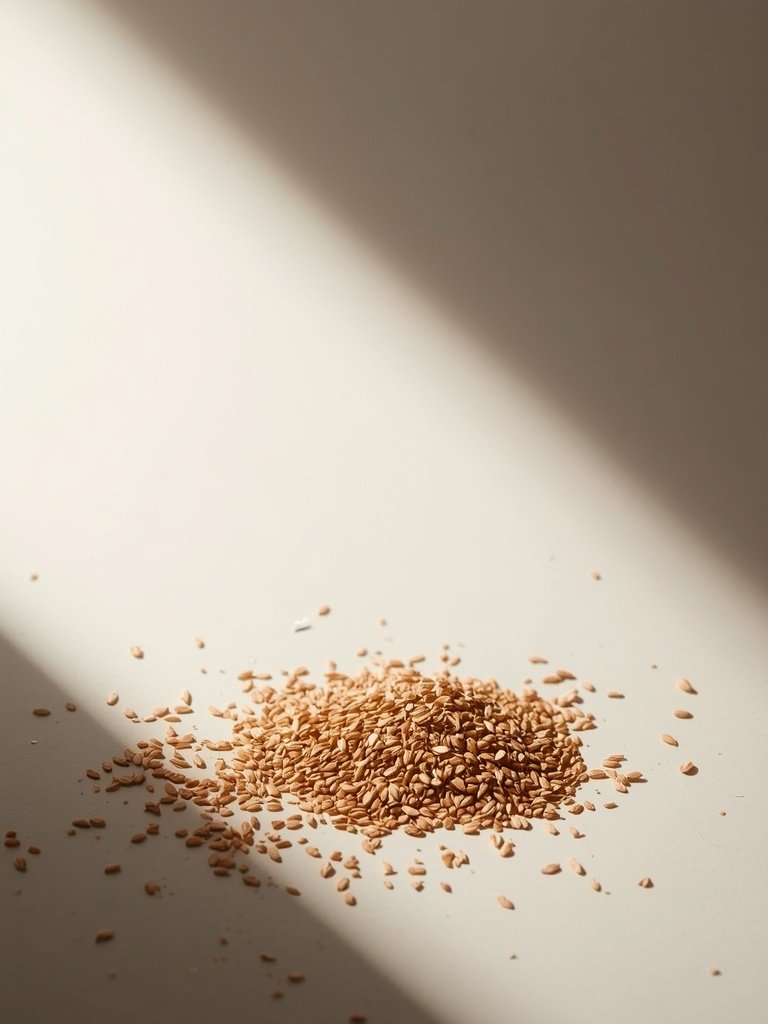
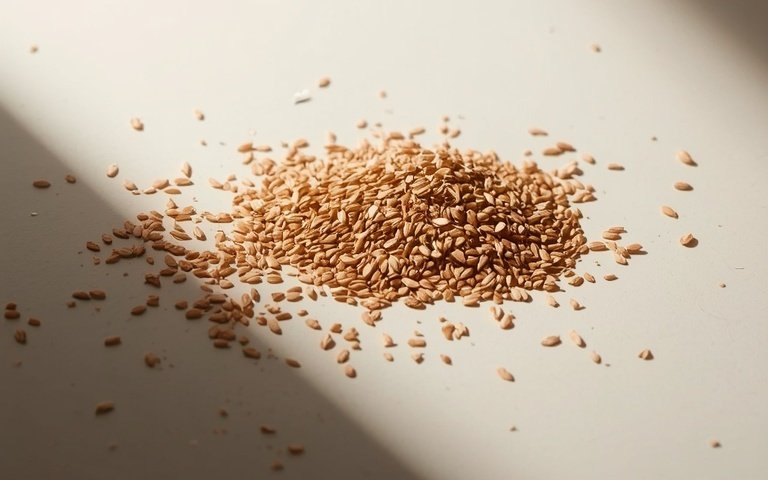
Leinsamen (Linum usitatissimum) zählen zu den ältesten Kulturpflanzen der Menschheit und repräsentieren ein funktionelles Superfood mit außergewöhnlicher Nährstoffdichte. Gemahlene Leinsamen zeichnen sich durch ein einzigartiges Zusammenspiel aus Alpha-Linolensäure (pflanzliche Omega-3-Fettsäuren), löslichen Schleimstoffen und phytoöstrogenen Lignanen aus. Dieser Fachbeitrag beleuchtet die bioaktiven Bestandteile von gemahlenem Leinsamen, seine physiologischen Effekte auf Verdauung und Hormonhaushalt sowie Kriterien für eine oxidationsgeschützte Zubereitung.
Biochemical Profile: Alpha-Linolenic Acid (ALA), Plant Protein, and Lignans
Milled flaxseed stands out as premier terrestrial botanical source of omega-3 polyunsaturated fatty acids. Alpha-linolenic acid (ALA) constitutes over 50% of its total lipid fraction, conferring profound systemic anti-inflammatory and cardioprotective benefits.
Furthermore, flaxseeds deliver highly digestible plant protein enriched in arginine and glutamine, alongside serving as nature's richest reservoir of dietary lignans (predominantly secoisolariciresinol diglucoside – SDG). Microbial bio-transformation of SDG in the human colon produces the mammalian phytoestrogenic lignans enterolactone and enterodiol, which modulate estrogen metabolism and exhibit formidable antioxidant properties.
Soluble Mucilage Fiber and Gastrointestinal Health
Flaxseed hulls are densely concentrated in water-soluble mucilage polysaccharides that hydrate into a viscous protective hydrogel:
- Gastrointestinal Mucosal Coating: Flaxseed mucilage coats the mucosal lining of the stomach and duodenum, exerting soothing cytoprotective effects in gastritis, reflux, and peptic ulcerations.
- Peristaltic Regularity: Insoluble fiber fractions increase fecal bulk, accelerating intestinal transit and easing chronic constipation without mucosal irritation.
- Prebiotic Function: Fermentation of soluble flax polysaccharides by colonic microbiota generates short-chain fatty acids (SCFAs, especially butyrate) that reinforce intestinal tight junctions.
Cardiometabolic Benefits: Lipid Profile, Glycemic Control, and Satiety
Daily consumption of 20–30 g of milled flaxseed delivers measurable cardiometabolic benefits:
- Lipid Clearance: Soluble fibers trap biliary cholesterol within the gut lumen, facilitating its excretion and accelerating hepatic LDL receptor uptake.
- Glycemic Moderation: Viscous mucilage delays gastric emptying and glucose absorption, blunting postprandial glycemic excursions and hyperinsulinemia.
- Prolonged Satiety: The substantial swelling capacity promotes gastric distension and gut peptide secretion, aiding appetite regulation during weight management.
Culinary Guidelines: Fresh Grinding, Oxidation Prevention, and Safe Dosing
To maximize nutrient bioavailability while preventing fatty acid oxidation, observe these core culinary rules:
- Necessity of Milled Form: Intact whole flaxseeds possess an impervious cellulose hull that human digestive enzymes cannot hydrolyze; they pass through the GI tract undigested. Grinding is obligatory to liberate ALA and lignans.
- Fresh Milling Protocol: Delicate polyunsaturated fats are highly susceptible to rancidity. Grind seeds in small batches using a burr grinder, storing ground powder in an opaque, airtight jar refrigerated for no more than 7–10 days.
- Culinary Versatility: Incorporate 1–2 tablespoons daily into porridge, smoothies, yogurt, or soups. A 'flax egg' (1 tbsp ground flax + 3 tbsp warm water, rested for 5 minutes) serves as an outstanding vegan binding agent.
- Adequate Hydration: Due to pronounced hygroscopic swelling, always ingest ground flax with ample fluids (at least 250 ml of water per serving).
Möchten Sie diese Richtlinien in Ihrer täglichen Ernährung umsetzen?
Unser intelligenter Diät-Generator erstellt in 3 Minuten einen maßgeschneiderten Speiseplan basierend auf diesen Empfehlungen.
Tags

Anna Schmidt
• 26.11.2026Diets Premium Experte
Experte im Team von Diets Premium. Spezialisiert auf Ernährungspläne, Kraftsport und Trainingspläne.