Astaxanthin - natürlicher Farbstoff mit vorteilhaften Eigenschaften
1 Foto
2835
Audio-Sprecher
AI
0:00
0:00
Artikelinhalt live anhören
Inhaltsverzeichnis 11
PRO-Inhalt
PRO
Dieser Artikel ist ein professioneller Fachartikel (PRO), der vollständig zur Verfügung gestellt wird.
Um die Gesundheit zu verstärken und den richtigen Zustand des Körpers aufrechtzuerhalten, wird zunehmend die Wirkung von Substanzen natürlichen Ursprungs genutzt. Eine dieser Substanzen ist Astaxanthin, das einigen Pflanzen und Tieren ihre rote Farbe verleiht. Es zeigt eine breite Palette von Wirkungen und wird daher als wertvoller Rohstoff mit gesundheitsfördernden Eigenschaften betrachtet.
01 / 11
Was ist Astaxanthin?
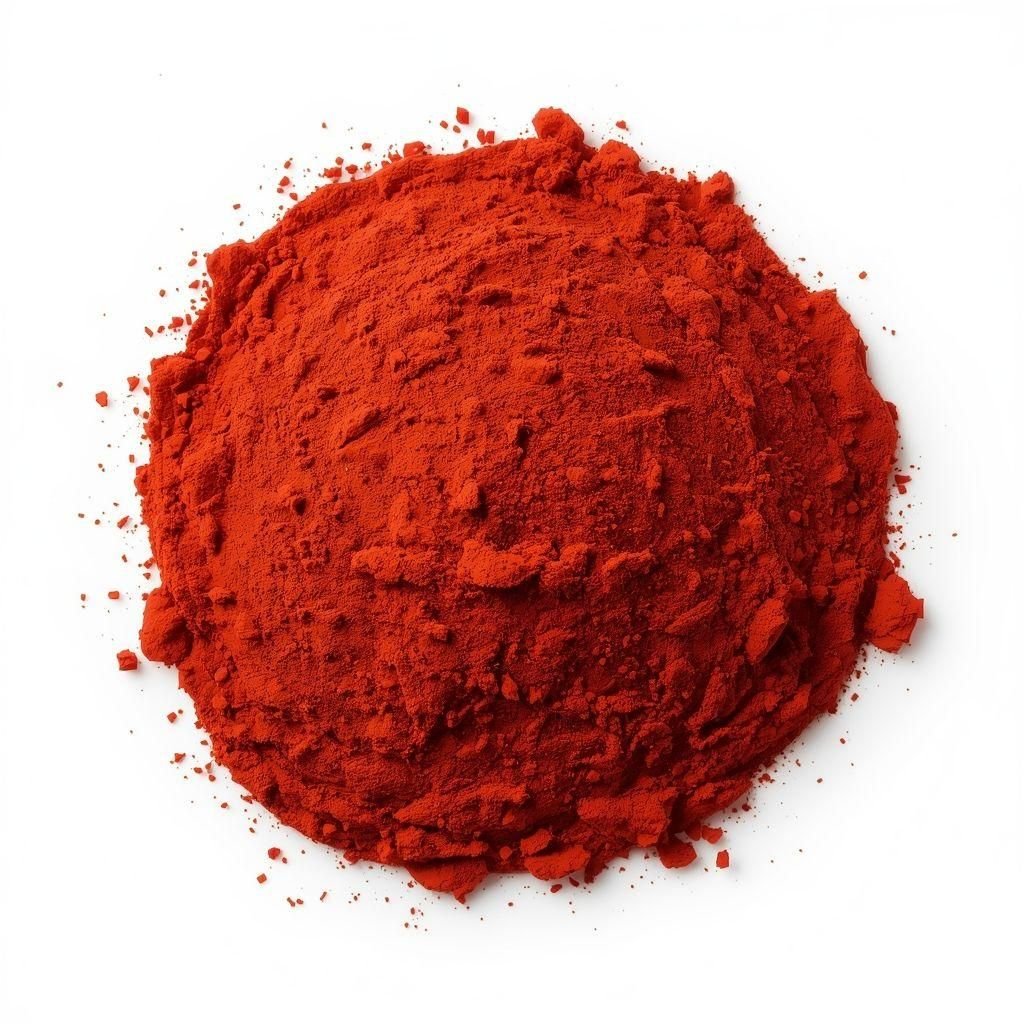
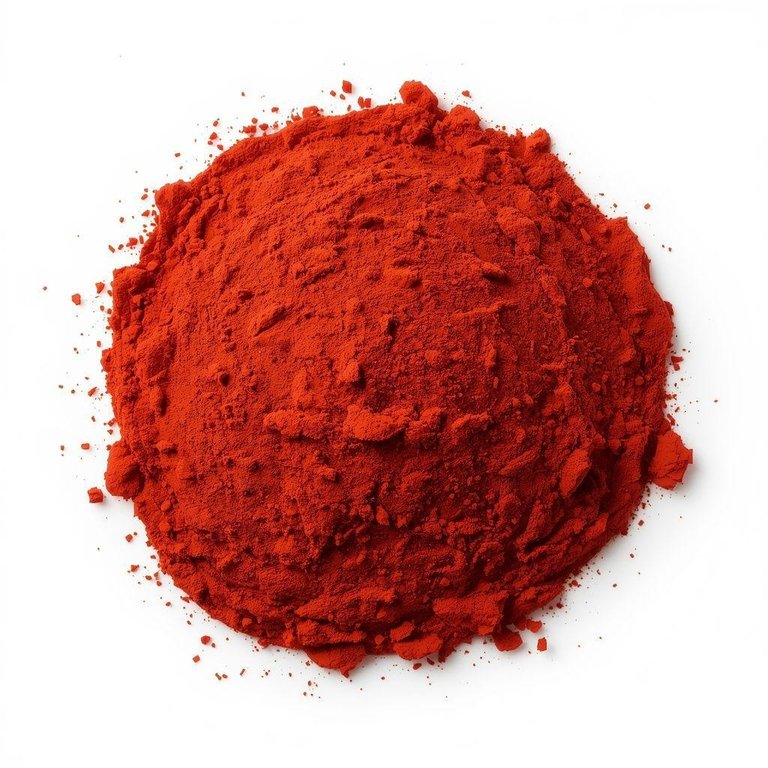
Astaxanthin ist eine organische Verbindung, die zur Gruppe der Carotinoide gehört. Im Vergleich zu anderen Substanzen dieser Klasse zeichnet sie sich durch eine höhere Widerstandsfähigkeit und Stabilität aus. Es ist widerstandsfähiger gegen hohe Temperaturen und Licht aufgrund seiner einzigartigen chemischen und physikalischen Struktur. Astaxanthin hat eine braunrote Farbe und wird zu den natürlichen Farbstoffen gezählt, die in der Lebensmittelindustrie verwendet werden. Es wird als Lebensmittelzusatzstoff mit der Kennzeichnung E161j gekennzeichnet.
02 / 11
Natürliche Quellen von Astaxanthin
Astaxanthin wird von einigen Mikroorganismen und Pilzen produziert. Obwohl es hauptsächlich aus den einzelligen Algen Hematococcus pluvialis (etwa 4% des trockenen Gewichts dieser Organismen) hergestellt wird, wird es auch von den Algen Chlorella zofingensis produziert, die den Farbstoff selbst bei fehlender Beleuchtung ansammeln. Eine andere wertvolle Quelle ist Hefe von Xanthophyllomyces dendrorhous. Obwohl die Produktionseffizienz von Pilzen geringer ist als die von Algen, stellt sie aufgrund der geringeren Produktionskosten einen wertvollen Rohstoff dar. Astaxanthin kann auch aus einigen Arten von Krustentieren wie Euphausia pacifica (Pazifischer Krill), Euphausia superba (Antarktischer Krill) und Pandalus borealis (Nordkammmuschel) gewonnen werden. Bei diesen Organismen ist das Pigment hauptsächlich in den Schalen vorhanden. Einige Tiere können Astaxanthin trotz fehlender Synthesefähigkeit durch Nahrungsaufnahme ansammeln, und die Ansammlung von Pigmenten in verschiedenen Organen (hauptsächlich in Muskeln) verleiht ihnen eine rote Farbe. Die Färbung bestimmter Fischarten, Hummer, Garnelen und Flamingos ist auf das Vorhandensein von Astaxanthin zurückzuführen. Lachs, Regenbogenforelle und Meeresfrüchte (insbesondere Langusten, Krabben, Krebse und Garnelen) sind natürliche Quellen von Astaxanthin in der Ernährung. Es ist jedoch zu beachten, dass der Pigmentgehalt in diesen Organismen im Vergleich zu Algen gering ist. Astaxanthin kann auch durch chemische Synthese gewonnen werden.
03 / 11
Grundlegende Funktionsmechanismen von Astaxanthin
Astaxanthin gilt als eines der natürlichen Antioxidantien. Es zeigt starke antioxidative Eigenschaften durch die Bekämpfung von freien Radikalen, einschließlich reaktiver Formen von Sauerstoff und Stickstoff. Es wurde gezeigt, dass seine antioxidative Aktivität wesentlich höher ist als die anderer bekannter antioxidativer Verbindungen, wie zum Beispiel α-Tokoferol (Vitamin E), α-Carotin, β-Carotin, Lycopin und Lutein (Y. Naguib 2000). Sein starkes antioxidatives Potenzial resultiert auch aus der Fähigkeit des menschlichen Körpers, die Aktivität von Enzymen zu stimulieren, die eine antioxidative Wirkung haben, wie etwa Dismutase (SOD). Diese Eigenschaften wurden in zahlreichen wissenschaftlichen Studien bestätigt. In einer dieser Studien erhielten gesunde, nichtrauchende Männer in Finnland Astaxanthin in einer Dosis von 8 mg täglich über einen Zeitraum von drei Monaten. Nach dieser Zeit wurde ein signifikanter Rückgang der Konzentration an oxidierten Fettsäuren im Serum der Probanden festgestellt (J. Karppi et al. 2007). In einer weiteren Studie wurden die antioxidativen Eigenschaften des Pigments bei 27 übergewichtigen oder fettleibigen Männern und Frauen getestet. Sie nahmen über einen Zeitraum von 12 Wochen täglich nach dem Frühstück 20 mg Astaxanthin zu sich. Nach der Supplementierung wurde ein Rückgang der Marker des oxidativen Stresses durch freie Radikale sowie eine Zunahme der SOD-Aktivität und der gesamten antioxidativen Kapazität des Plasmas (TAC) festgestellt. Diese Effekte wurden in der Placebogruppe nicht beobachtet (H. Choi, Y. Youn, W. Shin 2011).
04 / 11
Bekämpfung von Entzündungszuständen
Astaxanthin zeigt die Fähigkeit, Entzündungszustände zu bekämpfen, indem es den Spiegel von Komponenten senkt, die auf Entzündungen im Körper hinweisen. Dazu gehören proinflammatorische Zytokine wie Interleukin-1, Interleukin-6 und Tumor-Nekrose-Faktor (TNF-α). Astaxanthin blockiert auch die Aktivität bestimmter Enzyme (Nitrogen-Oxid-Synthese, Cyclooxygenase-2), die für die Entstehung von Entzündungen verantwortlich sind. Es wurde beobachtet, dass dieser Farbstoff die durch Entzündungen verursachte Schwellung verringert und den Spiegel des C-reaktiven Proteins (CRP) senkt, das ein wesentlicher Marker für chronische Entzündungen ist. Die Fähigkeit, Entzündungszustände zu bekämpfen, ist eng mit den immunomodulierenden Eigenschaften von Astaxanthin verbunden.
05 / 11
Verstärkung der Immunsystemfunktion
Ein Überschuss an freien Radikalen führt zu oxidativem Stress, der den gesamten Körper schwächt und zu vielen Krankheiten beiträgt. Um diesen Krankheiten vorzubeugen, ist es wichtig, das Immunsystem richtig funktionieren zu lassen. Astaxanthin hat die Fähigkeit, die Abwehrreaktion des Körpers zu verstärken, was zu einer erhöhten Produktion von Immunzellen führt, einschließlich T- und B-Lymphozyten und NK-Zellen, die die erste Abwehrlinie gegen Infektionen und Infektionen bilden. Die immunmodulatorischen Eigenschaften von Astaxanthin wurden durch Forschungen (J. Park et al. 2010) bestätigt.
06 / 11
Krebsbekämpfende Wirkung
Aufgrund ihrer antioxidativen, entzündungshemmenden und immunstimulierenden Eigenschaften kann Astaxanthin als wirksames Mittel gegen Krebs wirken. Es wurde nachgewiesen, dass Astaxanthin das Wachstum von Krebszellen hemmen und deren Zerstörung durch Apoptose auslösen kann (J. S. Bertram, A. L. Vine 2005). Die antioxidative Wirkung von Astaxanthin trägt zur Verringerung von Karzinogenen bei, indem es die Anzahl freier Radikale reduziert. Zusätzlich verstärkt Astaxanthin die Immunantwort und fördert die Bildung von Immunzellen, was dazu beiträgt, die Abwehrfähigkeit des Körpers gegenüber mutierten Zellen zu erhöhen (P. Palloza et al. 2009). Es wurde auch beobachtet, dass Astaxanthin eine antiproliferative Wirkung hat, die die Vermehrung von Zellen einschränkt, und die Effektivität der Chemotherapie stärkt (I. Faraone et al. 2020).
07 / 11
Gesundheitsvorteile von Astaxanthin
Die Anwendung von Astaxanthin verhindert die Entstehung von Typ-2-Diabetes und unterstützt die Verbesserung der glykämischen Parameter bei Menschen, bei denen die Krankheit bereits ausgebrochen ist. Die Supplementierung mit einem natürlichen Farbstoff durch antioxidative Aktivität und die Verringerung des oxidativen Stresses schützt die Beta-Zellen der Bauchspeicheldrüse (die für die Insulinproduktion verantwortlich sind) vor ihrer Schädigung. Dies verhindert die Entstehung von Störungen im Zusammenhang mit dem Glukosestoffwechsel. Es gibt Studien, die den positiven Einfluss von Astaxanthin auf die Kohlenhydratwirtschaft bestätigen. In einer dieser Studien stellten Wissenschaftler einen Rückgang des Blutzuckerspiegels und einen Anstieg des Adiponektinspiegels fest, der eine wichtige Rolle im Stoffwechsel spielt und die Insulinempfindlichkeit erhöht. Die Verbesserung der Parameter bei Menschen mit diagnostiziertem Typ-2-Diabetes trat nach 8 Wochen der Anwendung des aus Algen isolierten Farbstoffs in einer täglichen Menge von 8 mg auf. In derselben Studie wurde auch eine Senkung des Triglycerid- und LDL-Cholesterinspiegels festgestellt (N. S. Mashhadi und Mitarbeiter 2018).
08 / 11
Optimierung der Lipidwerte
Astaxanthin hat eine positive Auswirkung auf das Herz-Kreislauf-System und schützt vor der Entwicklung von Herz-Kreislauf-Erkrankungen. Seine positive Wirkung beruht auf seinen antioxidativen und entzündungshemmenden Eigenschaften sowie seiner Beteiligung am Lipidstoffwechsel. Wissenschaftliche Studien deuten darauf hin, dass dieser Farbstoff den LDL-Cholesterinspiegel (schlechtes Cholesterin) senken und den HDL-Cholesterinspiegel (gutes Cholesterin) erhöhen kann. Darüber hinaus hat Astaxanthin antiarteriosklerotische Eigenschaften durch Erhöhung des Adiponektinspiegels. In einer Studie wurde eine Verbesserung der Lipidparameter nach der Verwendung von Astaxanthinsupplementierung beobachtet. An der Studie nahmen 61 Personen im Alter von 25-60 Jahren teil, die zufällig in Gruppen eingeteilt wurden und täglich 6, 12 oder 18 mg des Farbstoffs aus Algen erhielten. Eine Teilgruppe erhielt Placebo als Kontrollgruppe. Nach 12 Wochen der Supplementierung wurde ein signifikanter Rückgang des Triglyceridspiegels und ein Anstieg des HDL-Cholesterinspiegels bei den Personen beobachtet, die das Supplement einnahmen. Darüber hinaus führte die Verwendung höherer Dosen (12 und 18 mg) zu einem Anstieg des Adiponektinspiegels im Blut.
09 / 11
Wiederaufbau und Schutz der Leber
Antioxidative und entzündungshemmende Eigenschaften haben einen förderlichen Einfluss auf die regsame Tätigkeit der Leberzellen, der Hepatozy. Wissenschaftliche Befunde zeigen, dass Astaxanthin sowohl präventiv als auch therapeutisch bei zahlreichen Lebererkrankungen eingesetzt werden kann, darunter Fibrose, nicht-alkoholische Fettlebererkrankung (NAFLD), Krebs und Arzneimittel-induzierte Schäden (J. Li, C. Guo, J. Wu 2020).
10 / 11
Schützende Merkmale in Bezug auf Nervenzellen
Astaxanthin weist auch schützende Eigenschaften in Bezug auf Nervenzellen auf. Dies ist hauptsächlich auf seine hohe antioxidative Aktivität und seine Fähigkeit zur Hemmung von Entzündungen zurückzuführen. Sowohl anhaltende Oxidationsbelastung als auch Entzündungsprozesse haben negative Auswirkungen auf Neuronen. Daher sind neuroprotektive Eigenschaften von entscheidender Bedeutung für die Prävention von Krankheiten, die aus Schädigungen von Nervenzellen resultieren, darunter Alzheimer- und Parkinson-Krankheit. Diese Eigenschaften wurden in wissenschaftlichen Studien bestätigt (Ch. Galasso 2018; S. Fakhri et al., 2019).
11 / 11
Zusammenfassung
Astaxanthin ist eines der stärksten Antioxidantien natürlichen Ursprungs, das eine breite Palette gesundheitsfördernder Auswirkungen auf den menschlichen Körper hat. Es ist in Form von Tabletten oder Kapseln erhältlich. Bei der Herstellung von Nahrungsergänzungsmitteln wird hauptsächlich Astaxanthin aus Algen verwendet, sowie in geringerem Maße das aus Hefen gewonnene Astaxanthin. Bislang wurde keine maximale Dosierung festgelegt, da es auch in großen Mengen keine unerwünschten Wirkungen hervorruft. Astaxanthin gilt als sichere Substanz.
Ernährungsplan
Möchten Sie diese Richtlinien in Ihrer täglichen Ernährung umsetzen?
Unser intelligenter Diät-Generator erstellt in 3 Minuten einen maßgeschneiderten Speiseplan basierend auf diesen Empfehlungen.

Wissenschaftlich geprüft durch klinische Ernährungsberater
• 24.03.2026
mgr Bertram J.S., Vine A.L., Cancer prevention by retinoids and carotenoids: Independent action on a common target, „Biochimica et Biophysica Acta” 2005, 1740(2), 170–178. Choi H., Youn Y., Shin W., Positive Effects of Astaxanthin on Lipid Profiles and Oxidative Stress in Overweight Subjects, „Plant Foods for Human Nutrition” 2011, 66(4), 363–369. Fakhri S. et al., The Neuroprotective Effects of Astaxanthin: Therapeutic Targets and Clinical Perspective, „Molecules” 2019, 24(14), epub. Faraone I. et al., Astaxanthin anticancer effects are mediated through multiple molecular mechanisms: A systematic review, „Pharmacological Research” 2020, 155, epub. Galasso Ch., On the Neuroprotective Role of Astaxanthin: New Perspectives?, „Marine Drugs” 2018, 16(8), epub. Genest J., C-reactive protein: Risk factor, biomarker and/or therapeutic target?, „The Canadian Journal of Cardiology” 2010, 26 (suppl. A), 41–44. Jyonouchi H. et al., Antitumor Activity of Astaxanthin and Its Mode of Action, „Nutrition and Cancer” 2000, 36(1), 59–65. Karppi J. et al., Effects of Astaxanthin Supplementation on Lipid Peroxidation, „International Journal for Vitamin and Nutrition Research” 2007, 77(1), 3–11. Kishimoto Y., Yoshida H., Kondo K., Potential Anti-Atherosclerotic Properties of Astaxanthin, „Marine Drugs” 2016, 14(2), epub. Li J., Guo C., Wu J., Astaxanthin in Liver Health and Disease: A Potential Therapeutic Agent, „Drug Design, Development and Therapy” 2020, 2020(14), 2275–2284. Lis K., Kołoczek H., Znaczenie żywności funkcjonalnej, nutraceutyków, w tym astaksantyny w żywieniu człowieka, Zdrowie i style życia. Determinanty długości życia, pod red. Nowak W., Szalonki K., Wrocław 2020, 115–131. Mashhadi N.S. et al., Astaxanthin improves glucose metabolism and reduces blood pressure in patients with type 2 diabetes mellitus, „Asia Pacific Journal of Clinical Nutrition” 2018, 27(2), 341–346. Naguib Y., Antioxidant Activities of Astaxanthin and Related Carotenoids, „Journal of Agricultural and Food Chemistry” 2000, 48(4), 1150–1154. Palloza P. et al., Growth-inhibitory effects of the astaxanthin-rich alga Haematococcus pluvialis in human colon cancer cells, „Cancer Letters” 2009, 283(1), 108–117. Park J. et al., Astaxanthin decreased oxidative stress and inflammation and enhanced immune response in humans, „Nutrition & Metabolism” 2010, 7, epub. Pogorzelska E., Hamułka J., Wawrzyniak A., Astaksantyna – budowa, właściwości i możliwości zastosowania w żywności funkcjonalnej, „Żywność. Nauka. Technologia. Jakość” 2016, 1(104), 5–16. Sieradzka M., Kołodziejczyk-Czepas J., Astaksantyna – karotenoidowy przeciwutleniacz o właściwościach kardioprotekcyjnych, „Problemy Higieny i Epidemiologii” 2016, 97(3), 197–206. Yoshida H. et al., Administration of natural astaxanthin increases serum HDL-cholesterol and adiponectin in subjects with mild hyperlipidemia, „Atherosclerosis” 2010, 209(2), 520–523.
Diets Premium Experte
Experte im Team von Diets Premium. Spezialisiert auf Ernährungspläne, Kraftsport und Trainingspläne.
USDA FoodData Central
EFSA
PubMed Clinical Guidelines